Crib mattresses are specifically designed to support infants with safety, comfort, and suitability for small sleep spaces. They typically provide a firm surface to reduce the risk of suffocation and ensure proper spinal alignment for developing bodies. Key features include a compact profile, durable materials, and easy cleaning options to maintain a hygienic sleep environment.
A high-quality crib mattress often uses non-toxic materials, reinforced edges, and a snug fit across standard crib frames to prevent gaps. Many models are waterproof or wipe-clean, aiding quick maintenance after spills or diaper leaks. Understanding firmness levels, breathability, and cover materials helps caregivers choose a mattress that aligns with health and safety guidelines.
Breathability is a central consideration for crib mattresses, as it influences temperature regulation and moisture management. Concepts such as gel-infused layers, breathable fabrics, and vented designs support air flow while maintaining structural integrity. A well-ventilated mattress contributes to a cooler sleep surface and reduces the buildup of odors over time.
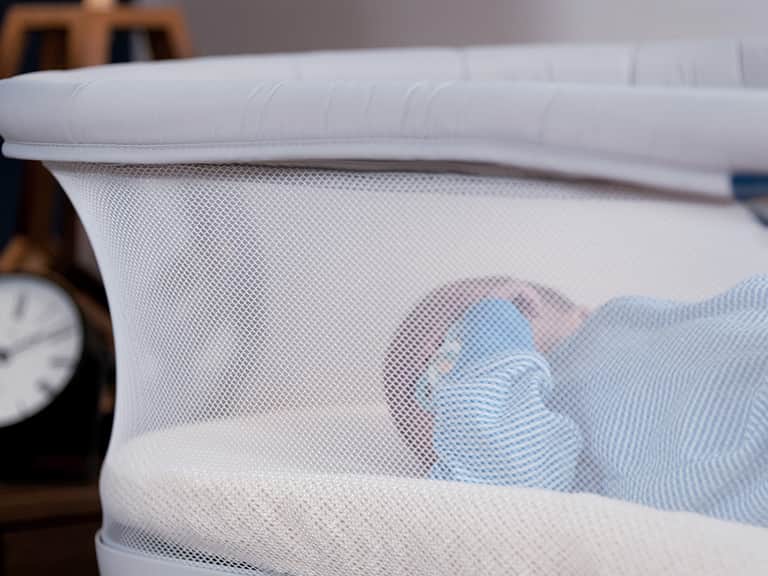
The Naturepedic Organic Breathable Bassinet Mattress for Halo Bassinets demonstrates how specialized support can cater to sleep environments requiring compact, safe options. Features often include organic cotton covers, certified-organic fillings, and breathable, seam-sealed construction. Functional benefits encompass reduced exposure to allergens and a stable, cleanable surface for daytime care tasks.
When evaluating crib mattresses, consider compatibility with bassinet and newborn sleep practices, durability through multiple infancy stages, and maintenance requirements. Conceptual basics involve firmness, edge support, cleanability, and material certifications. Keywords such as bedding, pillows, sheets, duvet covers, and organic mattresses reflect the broader bedding ecosystem relevant to infant sleep safety and comfort.
 Nursery