Comforters are a key component of a restful sleep environment, providing warmth and a smooth, insulated layer without requiring extra blankets. In this category, we explore materials, fill power, and construction to help you select a comforter that aligns with climate preferences and allergy considerations. Understanding weight class, breathability, and edge stitching aids in durability and long-term comfort.
Goose down comforters, such as the Clean Bedroom Madison Goose Down Comforter and the Clean Bedroom Manhattan Goose Down Comforter, exemplify high warmth-to-weight efficiency. These designs typically feature ethically sourced fills, baffle-box or box-stitch enclosures to prevent shifting, and a cotton shell that enhances moisture management and softness for a consistent, cloud-like feel.
The Madison and Manhattan models emphasize fill power and loft, offering substantial warmth without bulk. Common benefits include rapid heat retention in cooler nights, while ongoing breathability helps prevent overheating. These comforters are often suitable for varied sleep positions, supporting even weight distribution and reducing cold spots during rest.
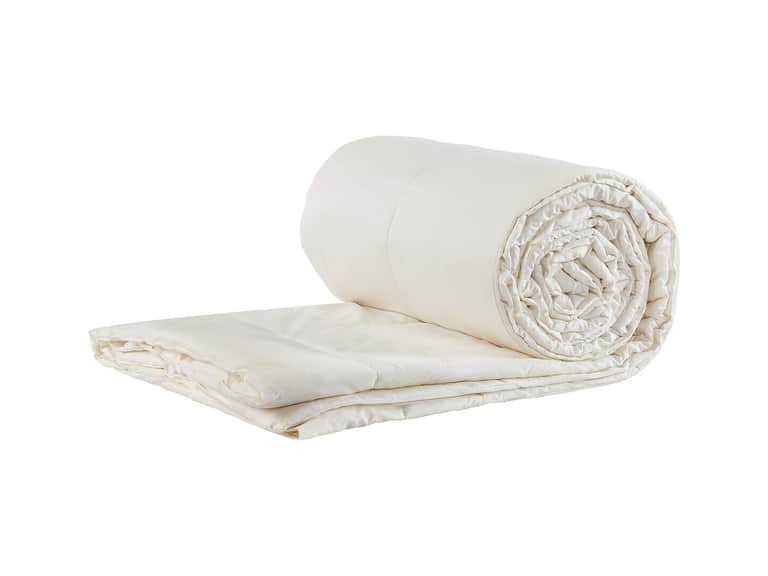
Alternative options like the Sleep and Beyond myComforter illustrate how engineered comfort can balance warmth, loft, and ease of care. Features may include hypoallergenic fibers, removable covers, and machine-washable designs, contributing to practical maintenance and a healthier sleep environment without sacrificing comfort or insulation.
When evaluating comforters, consider compatibility with your bedding system, including compatible sheets, duvets, and organic mattresses. Key keywords such as bedding, pillows, sheets, duvet covers, and organic mattresses reflect the broader sleep ecosystem. A quality comforter should support consistent body temperature, simplified care, and enduring performance across seasons.
 Bedding